
Pearl Necklaces
As the internet's premier pearl company with over 70 years of history selling the finest quality cultured pearls, American Pearl meticulously ensures that you receive the highest quality pearls at truly wholesale prices. As a proud member of RapNet, the world’s largest and most trusted jewelry trading network, American Pearl brings the best available jewelry and prices to market. Click here to see recently made pieces. Click here for new Jewelry Replicator™ pieces.
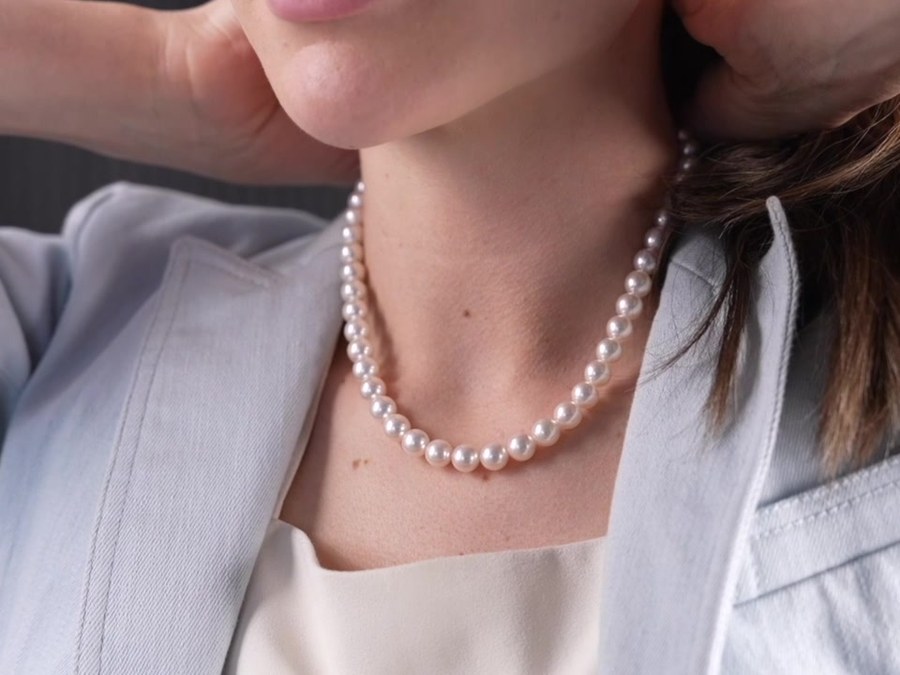
Akoya Pearl Necklaces
GIA-certified white cultured strands
Shop Now →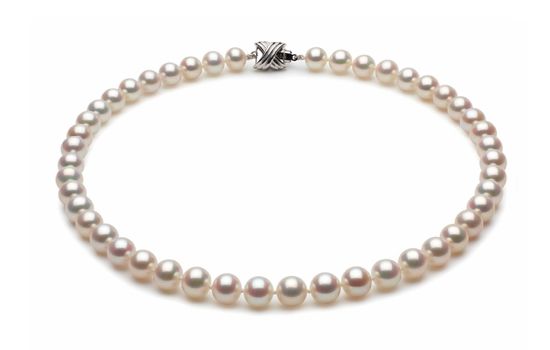
High Grade Freshwater Pearls™
Collection Quality™ cultured strands
Shop Now →
Tahitian Pearl Necklaces
Exotic black & peacock strands
Shop Now →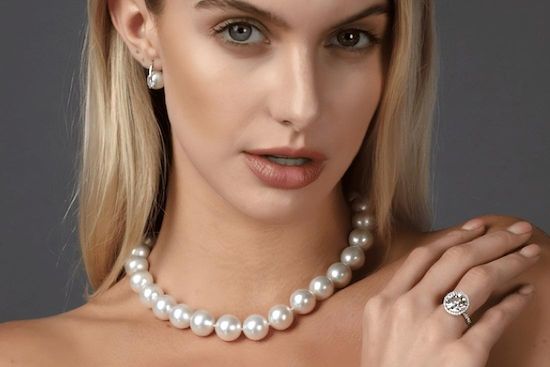
South Sea Pearl Necklaces
White, multicolor & baroque strands
Shop Now →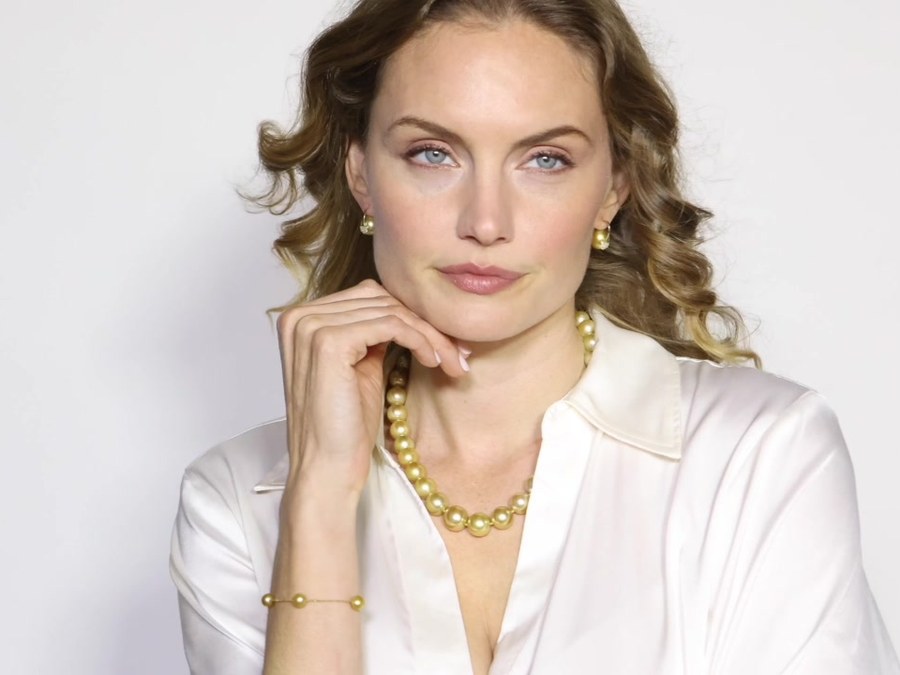
Golden South Sea Necklaces
Rare gold-lip pearl strands
Shop Now →American Pearl’s pearl necklaces are hand-knotted strands of cultured Akoya, Tahitian, white and golden South Sea, and freshwater pearls — from classic white strands to dramatic Tahitian and South Sea ropes — individually knotted by hand in New York and sold direct at wholesale prices with free shipping.
Pearl Necklaces at Wholesale Prices
From a timeless white strand to a bold Tahitian rope, American Pearl offers one of the deepest selections of pearl necklaces online. We string and knot every strand by hand and sell direct, so you get genuine cultured pearls at wholesale pricing with free shipping.
Akoya, Tahitian and South Sea Strands
Akoya strands deliver the classic bright-white, round pearl look. Tahitian strands bring naturally dark colour in black, peacock and green. White and golden South Sea strands are the largest and most luxurious. Freshwater strands offer soft lustre and great value in many colours.
Lengths and Hand-Knotting
Choose the length that suits you — choker, princess, matinee, opera or rope — each secured with a solid gold clasp. Every pearl is individually hand-knotted so the strand drapes beautifully and the pearls stay protected if the silk is ever damaged.
Custom Pearl Necklaces
Prefer a different pearl type, colour or length? Most strands can be built to your specification, and every order ships in a complimentary gift box.
Frequently Asked Questions
What pearl necklace lengths are available?
Pearl necklaces are available in five standard lengths: choker (14–16″), princess (17–19″), matinee (20–24″), opera (28–36″) and rope (37″ and longer), and most strands can be made to a custom length.
Are the pearls hand-knotted?
Yes, the pearls are hand-knotted: each pearl is individually knotted by hand, which improves the drape and keeps the pearls from scattering if the silk is ever damaged.
Which pearl is best for a necklace?
The best pearl for a necklace depends on the look you want: Akoya for a classic white strand, Tahitian for dramatic dark color, white or golden South Sea for the largest luxury strands, and freshwater for versatile, affordable everyday wear.
How do I care for a pearl necklace?
To care for a pearl necklace, wipe the pearls with a soft cloth after wear, keep them away from perfume and chemicals, store them flat, and put them on last and take them off first. Restring periodically with regular wear.
Can I customize the pearl type, colour or length?
Yes, you can customize the pearl type, color or length of most necklaces, and every order includes free shipping and a complimentary gift box.
Pearl Necklace Buying Guide
How to Choose a Pearl Necklace
Choosing a pearl necklace comes down to a handful of decisions: the pearl type, the pearl size, the length, the quality grade and how the strand is made. Each one changes how the necklace looks on her and what it costs, so it helps to take them in that order.
5 Pearl Types for a Pearl Necklace
The pearl type sets the color, size and character of the whole strand.
1. Akoya Pearl Necklaces
Akoya pearl necklaces are the bright, perfectly round white strands most people picture when they think of pearls. Grown in saltwater oysters, mainly in Japan, Akoya pearls are usually strung in 5–9mm sizes and show a sharp, mirror-like luster with rose, silver or cream overtones. Shop Akoya pearl necklaces.
2. Tahitian Pearl Necklaces
Tahitian pearl necklaces are naturally dark strands in charcoal, black, peacock, green and aubergine, grown in black-lip oysters in French Polynesia. Most strands run 8–14mm, so they read as bold and exotic. Shop Tahitian pearl necklaces.
3. White South Sea Pearl Necklaces
White South Sea pearl necklaces hold the largest white pearls, usually 9–16mm, grown in silver-lip oysters off Australia, Indonesia and the Philippines. Their glow is soft and satiny rather than sharp, and a single strand carries real presence. Shop white South Sea pearl necklaces.
4. Golden South Sea Pearl Necklaces
Golden South Sea pearl necklaces range from pale champagne to deep gold and come from gold-lip oysters in the Philippines and Indonesia. Their natural warm color is rare, which makes a full golden strand one of the most distinctive necklaces you can own. Shop golden South Sea pearl necklaces.
5. Freshwater Pearl Necklaces
Freshwater pearl necklaces are grown in mussels, mainly in China, and come in white, pink, peach and lavender. They offer a gentle luster and the most necklace for the money, which makes them ideal for everyday wear and for layering. Shop freshwater pearl necklaces.
5 Pearl Necklace Lengths and Where They Sit
Pick the length by the neckline she wears most. Most of our strands can also be made to a custom length.
1. Choker (14–16 inches)
A choker sits at the base of the neck, which makes it the natural partner for open necklines, strapless dresses and off-the-shoulder tops.
2. Princess (17–19 inches)
A princess-length strand rests just below the collarbone and works with almost every neckline, which is why it is the most popular first pearl necklace.
3. Matinee (20–24 inches)
A matinee strand falls just above the bust, sitting comfortably over higher necklines, sweaters and business wear.
4. Opera (28–36 inches)
An opera-length strand hangs at or below the bust for evening wear, and it can be doubled into a two-row necklace for a second look.
5. Rope (37 inches and longer)
A rope-length strand is long enough to knot, wrap or layer in several ways, so one necklace can be worn many different ways.
Choosing the Right Pearl Size
Every half-millimeter makes a visible difference, and the price rises with each step because larger pearls take longer to grow.
1. 6.5–7mm for a Graceful First Strand
Pearls of 6.5–7mm are a graceful choice for a first strand or a younger wearer, delicate without looking small.
2. 7–8mm for the Everyday Classic
Pearls of 7–8mm are the everyday classic: clearly visible from across a room and still easy to wear with anything.
3. 8mm and Larger for a Statement
Pearls of 8mm and larger give a fuller, more dramatic strand for evening and for milestone gifts. See our pearl size guide to compare sizes side by side.
How Pearl Necklaces Are Graded
Pearl necklaces are graded on the familiar A-to-AAA scale, which weighs four qualities.
1. Luster
Luster is the most important quality in a pearl necklace: a high-luster pearl reflects your surroundings with crisp edges, while a low-luster pearl looks chalky.
2. Surface
Surface grading counts the small marks every pearl carries; the cleaner the surfaces across the strand, the higher the grade.
3. Shape
Shape grading measures how round the pearls are, because round pearls roll evenly and drape smoothly on the neck.
4. Matching
Matching measures how closely every pearl agrees in size, color and luster from one end of the strand to the other, which is what makes a strand look seamless.
5. Our Grades: True AAA, Collection Quality and GIA
Our True AAA strands show the brightest luster and cleanest surfaces on the A-to-AAA scale, our Collection Quality strands are hand-picked from our finest pearls for the closest match of all, and our GIA-certified Akoya strands come with an independent laboratory report. See how we grade.
What Makes a Well-Made Pearl Necklace
1. Hand-Knotting Between Every Pearl
Hand-knotting between every pearl keeps neighboring pearls from rubbing away each other’s nacre, and if the silk ever breaks, only one pearl can slip free instead of the whole strand.
2. Silk Thread
Silk thread gives a pearl necklace its soft, fluid drape, and it is the traditional stringing material for fine pearls.
3. A Solid Gold Clasp
A solid gold clasp keeps the strand secure and should be easy for the wearer to open herself; on many of our strands you can upgrade to a decorative or diamond clasp.
4. Uniform or Graduated
A uniform strand keeps every pearl close to the same size for a modern look, while a graduated strand places the largest pearls at center front and steps down toward the clasp for a softer, vintage drape.
Caring for a Pearl Necklace
1. Last On, First Off
Put your pearl necklace on after perfume, hairspray and lotion, and take it off first, because those products dull the nacre over time.
2. Wipe After Wearing
Wipe the pearls with a soft cloth after each wear to remove skin oils before they build up.
3. Store Flat and Separate
Store the necklace flat in its own pouch so the silk does not stretch and harder jewelry cannot scratch the pearls.
4. Restring on Schedule
Restring a pearl necklace about once a year if it is worn every day, or every few years with occasional wear; gaps between the pearls and knots are the sign it is time. We offer a pearl restringing service.
Pearl Necklace Gift Ideas
1. A First Pearl Necklace
The best first pearl necklace for most people is a white Akoya strand of about 7–7.5mm at princess length, because it suits nearly every neckline, age and occasion.
2. A Milestone Anniversary
For a milestone anniversary, a white or golden South Sea strand or a Tahitian strand marks the moment with larger, rarer pearls.
3. Matched to Her Coloring
Choosing a pearl color for her skin tone makes a gift feel personal: rosé overtones warm fair skin, silver suits cooler and olive skin, and golden pearls glow on deeper skin. Try our skin-tone viewer.
4. Something One of a Kind
For a gift no one else has, our Jewelry Replicator™ makes custom pieces to order.