A Brief History of Pearls: Quality Factor Four : Color
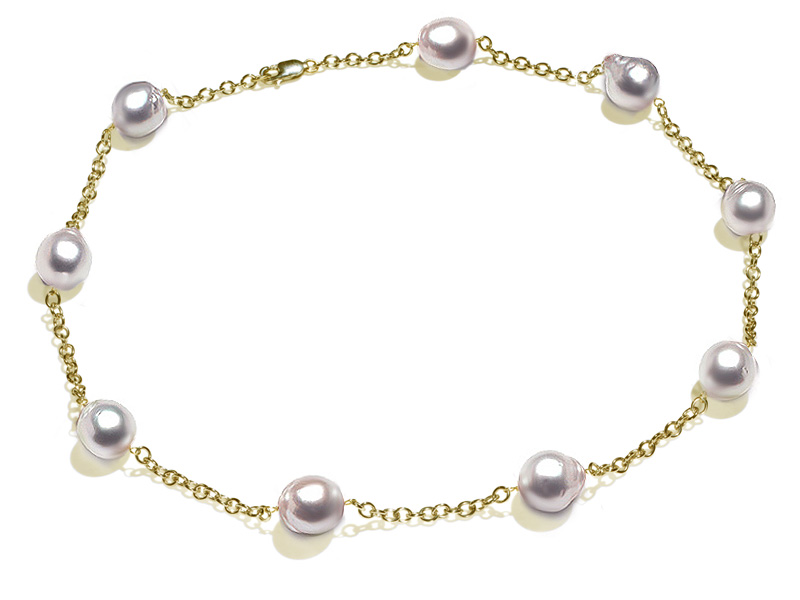
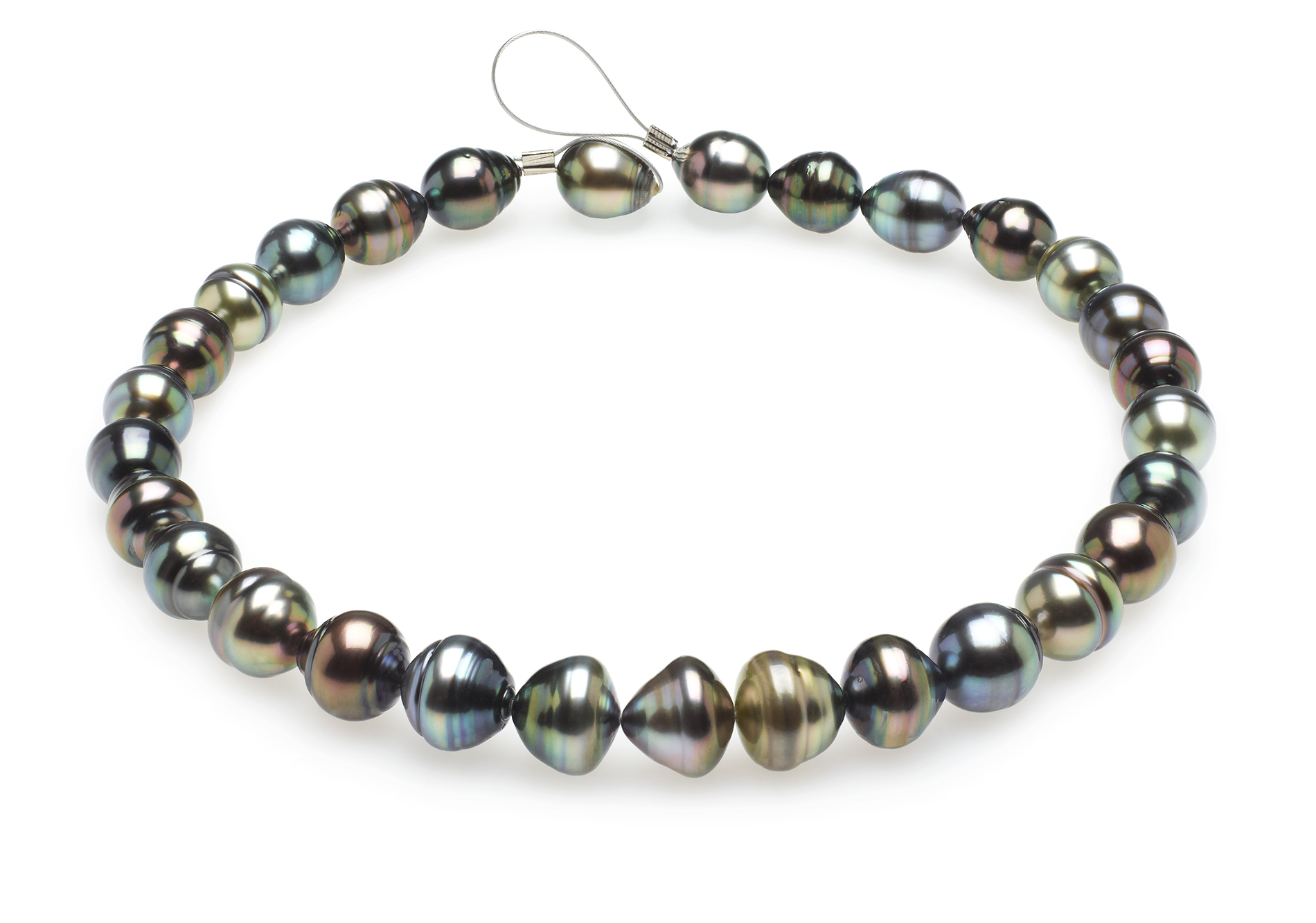
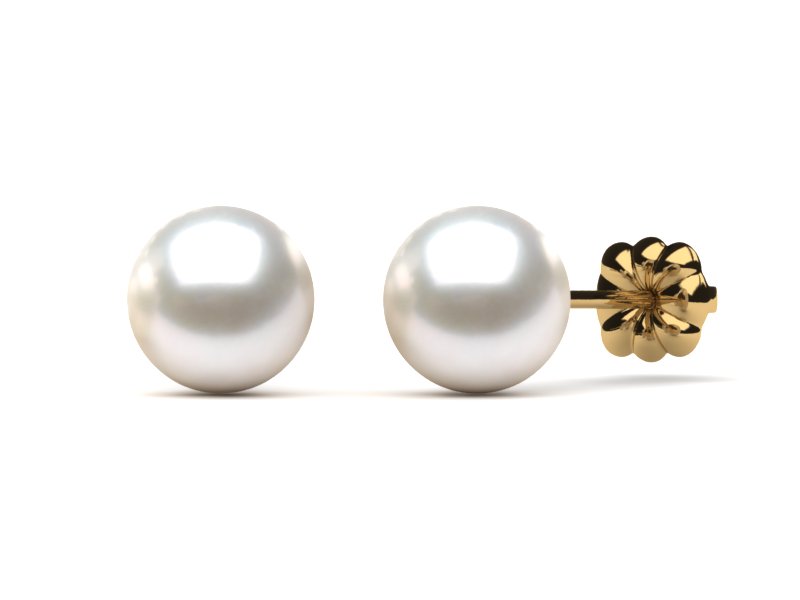
Pearls range from white to black and across the spectrum, and no color is better than another. Color refers to the pearl’s body color, not its luster or overtone. Rose, silver and white pearls tend to flatter fair skin; cream and gold pearls often flatter deeper complexions. Some pearls are polished, bleached or dyed before sale.
| A brief history of pearls | QUALITY FACTOR FOUR: COLOR
| ||
| How pearls form in oysters | |||
| How pearls are harvested | |||
| How pearls brought to market | |||
| Know your Akoya pearls | |||
| Akoya Pearl Cultivation | |||
| Akoya Pearl Harvesting | |||
| Akoya Pearl Processing | |||
| Akoya Pearl Evaluation | |||
| Quality Factor One: Luster | |||
| Luster of Akoya Pearls | |||
| Quality Factor Two: Surface | |||
| Surface of Akoya Pearls | |||
| Quality Factor Three: Shape | |||
| Shape of Akoya Pearls | |||
| Quality Factor Four: Color | |||
| Color of Akoya Pearls | |||
| Quality Factor Five: Size | |||
| Size of Akoya Pearls | |||
| Know your South Sea pearls | |||
| South Sea Pearl Cultivation | |||
| South Sea Pearl Harvesting | |||
| South Sea Pearl Processing | |||
| South Sea Pearl Quality Evaluation | |||
| Luster of South Sea Pearls | |||
| Surface of South Sea Pearls | |||
| Shape of South Sea Pearls | |||
| Color of South Sea Pearls | |||
| Size of South Sea Pearls | |||
| Know your Tahitian pearls | |||
| Tahitian Pearl Cultivation | |||
| Tahitian Pearl Harvesting | |||
| Tahitian Pearl Processing | |||
| Tahitian Pearl Quality Evaluation | |||
| Luster of Tahitian Pearls | |||
| Surface of Tahitian Pearls | |||
| Shape of Tahitian Pearls | |||
| Color of Tahitian Pearls | |||
| Size of Tahitian Pearls | |||
| Gift Giving Occasions |
| Previous Next | |
Pearl color: common questions
What color pearl is best?
The best pearl color is the one that suits your skin tone and style, because no pearl color is “best” for quality. See pearl colors and skin tones.
Which pearl color suits my skin tone?
Which pearl color suits your skin tone depends on your complexion: generally rose, silver and white pearls complement fair skin, while cream and golden pearls are often more flattering on darker complexions.
Are colored pearls dyed?
Some colored pearls are dyed, because pearls may be polished, bleached or dyed before market. Golden South Sea and Tahitian pearls get their colors naturally from their oysters.
Shop pearls by type

Still deciding? Speak with a pearl specialist at 1-800-847-3275, or browse all Pearl Answers.
← Back to the Pearl Guide