
Search
Cultured Freshwater Pearls · Since 1950

Freshwater Pearls

Everyday elegance in unusual colors and shapes, at the most affordable prices. Hover any collection to see it in motion.

See Freshwater pearls vs. your skin tone →
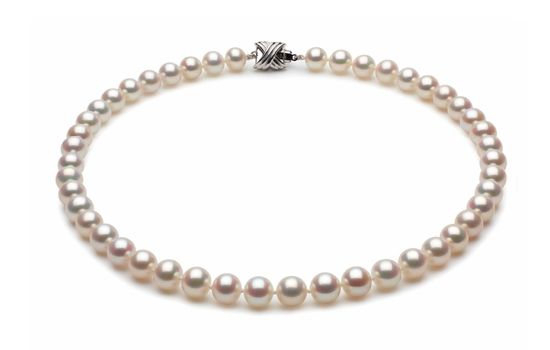
Freshwater Pearl Necklaces

Freshwater Pearl Necklaces

Unusual colors & shapes

Shop Now →
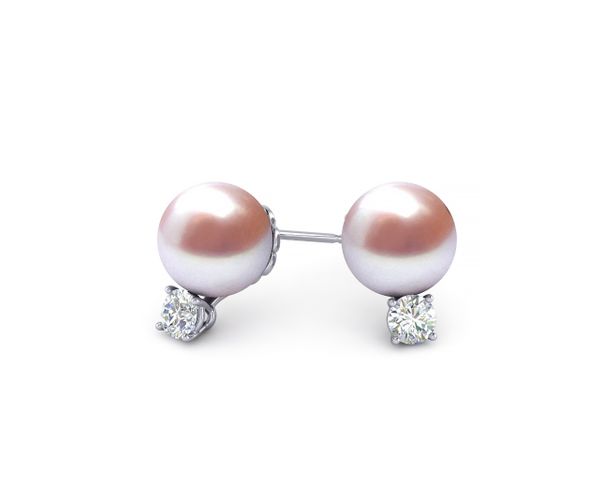
Freshwater Pearl Earrings

Freshwater Pearl Earrings

Studs, drops & hoops

Shop Now →
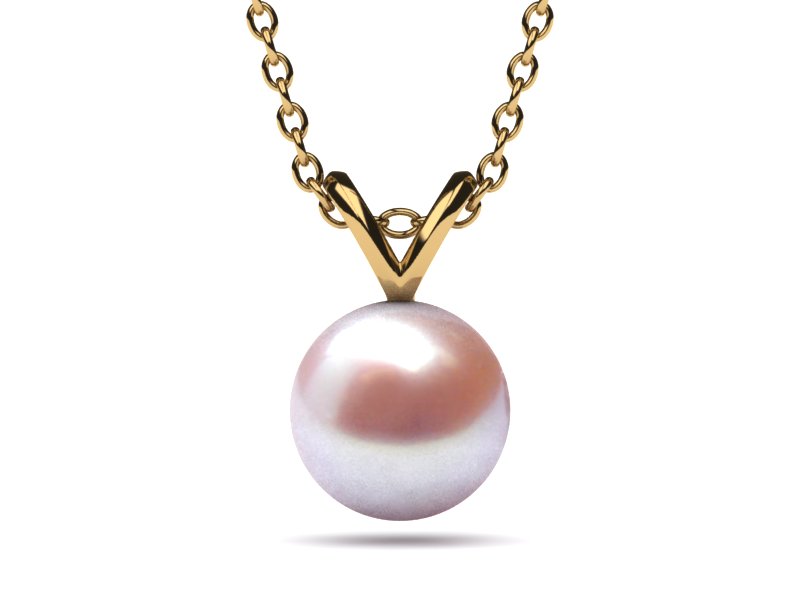
Freshwater Pearl Pendants

Freshwater Pearl Pendants

Everyday pearl pendants

Shop Now →
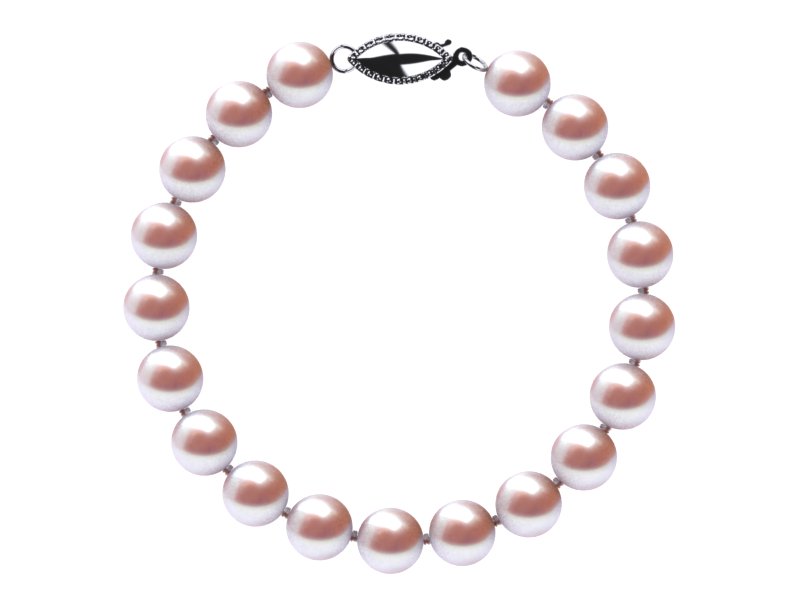
Freshwater Pearl Bracelets

Freshwater Pearl Bracelets

Casual pearl bracelets

Shop Now →
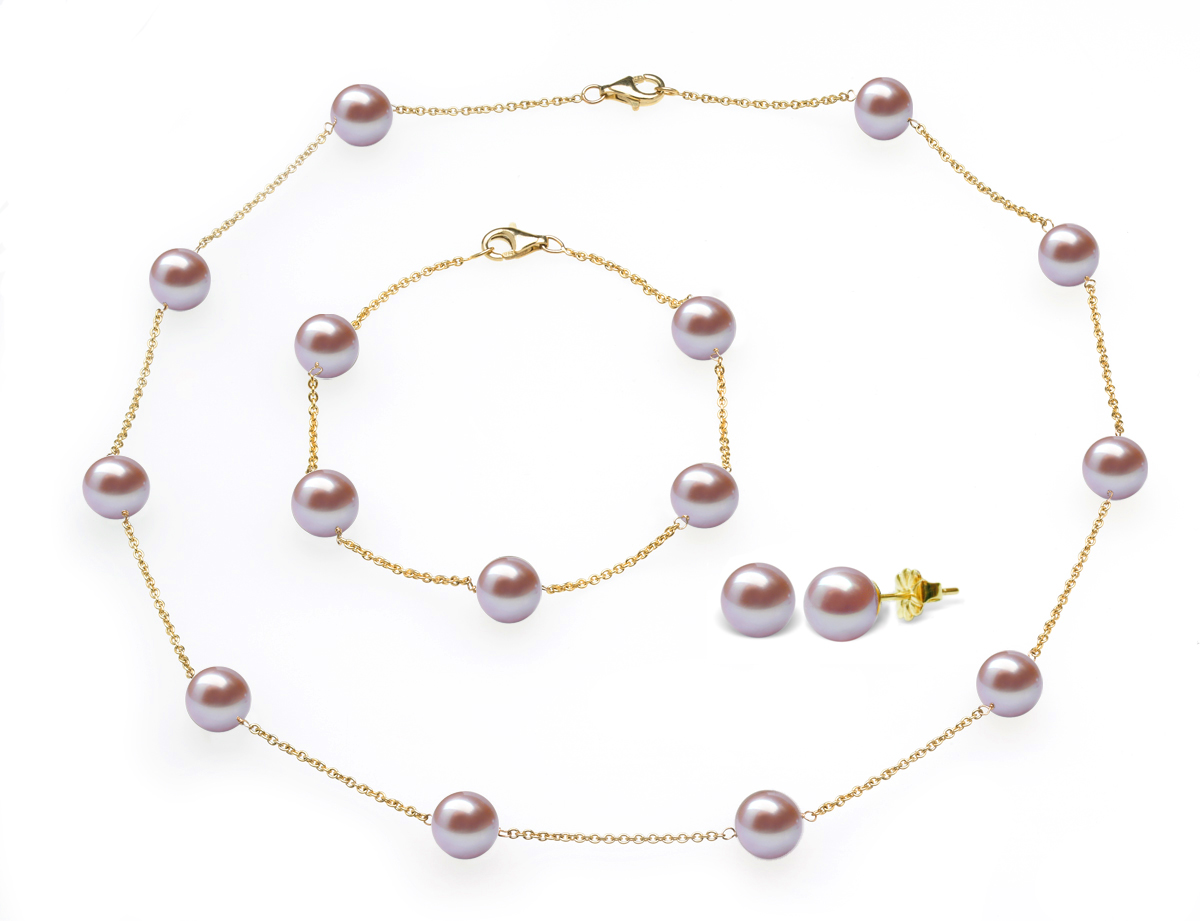
Freshwater Tin Cup Necklaces

Freshwater Tin Cup Necklaces

Station-style necklaces

Shop Now →

Freshwater pearls are versatile, affordable cultured pearls grown in lakes and rivers — in white, pink and lavender, and many shapes, typically 5–12mm. American Pearl offers freshwater necklaces, earrings, rings and bracelets direct at wholesale prices with free shipping.

What Are Freshwater Pearls?

Freshwater pearls are cultured in freshwater mussels, mainly in China. They are real pearls, valued for their soft lustre, wide range of shapes and colours, and excellent value.

Shapes and Colours

Freshwater pearls come round, near-round, oval, drop and baroque, in natural white, pink and lavender as well as dyed fashion colours. That variety makes them ideal for everyday and fashion pieces.

Quality and Value

Judge freshwater pearls by lustre, surface, shape and colour. Because they are widely cultured, they deliver beautiful pearls at the most accessible prices.

Shop Freshwater Pearls at Wholesale Prices

We sell freshwater jewellery direct, and most pieces can be customized. Every order includes free shipping and a complimentary gift box.

Frequently Asked Questions

Are freshwater pearls real pearls?

Yes. Freshwater pearls are genuine cultured pearls grown in freshwater mussels. They are valued for soft lustre, varied shapes and colours, and great value.

Freshwater vs Akoya pearls — what is the difference?

Akoya are round saltwater pearls with sharper lustre and a higher price; freshwater pearls are more affordable and come in more shapes and colours.

What colours and shapes do freshwater pearls come in?

Natural white, pink and lavender plus dyed fashion colours, in round, near-round, oval, drop and baroque shapes.

What size are freshwater pearls?

Most fall between about 5mm and 12mm, with larger and rounder pearls being more valuable.

How do I judge freshwater pearl quality?

Look at lustre, surface cleanliness, how round the pearl is, and the evenness of colour.

Explore More

American Pearl is an authority on freshwater pearls and is happy to offer many of premium quality for our dedicated customers. Whether you dream of a perfectly white freshwater pearl necklace to surprise your sweetie on a special occasion or want to add a unique black or green pearl style to your collection, you'll find something that piques your interest right here. With the best freshwater pearl prices and free shipping on every order, you can't go wrong with American Pearl.

Freshwater Pearls vs. Saltwater Pearls: How They Differ

The highest quality freshwater pearls, such as those available from American Pearl, are somewhat similar to salt water Akoya pearls in appearance at first glance but come from the mollusk Hyriopsis cumingii. The main differences between freshwater and saltwater pearls reside in a few factors, including size, intensity of luster, quality of complexion and roundness. However, to even the most discerning customers, these characteristics are desirable in exchange for the outstanding value of cultured freshwater pearls!

Just like their salt-water cousins, specially trained farmers and technicians cultivate freshwater pearls. Natural pearls occur so rarely that their price makes them prohibitive for use in modern jewelry - except for a queen or king! Fortunately, the process developed for pearl cultivation brings these beautiful gems within reach of anyone who deserves to be treated like a queen or king!

A pearl is formed within the soft tissue - or mantle - of a living shelled mollusk. Layers of an iridescent substance called nacre, or calcium carbonate in a crystalline form create them. Although almost any mollusk can produce pearls, very few create pearls that are of a quality to be used in jewelry.

There are two types of mollusks that create pearls: one prefers to live in freshwater while the other prefers the sea. Freshwater mollusks are farmed using a technique similar to that employed with salt water varieties, but the process is easier to perform and requires less training. When the mollusk is between six to eight months old, a small fragment of mantle tissue from a donor mollusk is inserted into the shell. Freshwater pearls usually have a 3-millimeter square section of mantle inserted. In the cultivation of salt-water mollusks, a bead is inserted into the mantle, creating a rounder product. It is possible these procedures create a pocket that contains the deposits of the translucent concentric layers that make up a pearl. However, no one really knows how exactly a pearl is formed!

After the implantation procedure, freshwater mollusks are released to grow for approximately two to six years. Using this method, mollusks can be implanted many times, producing up to 24-32 pearls each!

The History of Freshwater Pearls

The cultivation of freshwater pearls started at approximately the same time salt water pearl cultivation began, in the early 1900s. Initially Japan was the leader in the freshwater market. Most pearls were created in Lake Biwa, a large lake near Kyoto. For this reason, freshwater pearls used to be called 'Biwa pearls.' Lake Biwa reached the height of its production in the 1970s, when it produced several tons of freshwater pearls in one year.

Sadly, due to pollution, most of the freshwater lakes in Japan can no longer sustain the lives of the freshwater mollusks. Instead, production has moved to the lakes of China in the area of Shanghai. The Chinese now lead the freshwater pearl industry.

In the mid-1960s, the Americans John and Chessy Latendresse began farming freshwater pearls in Tennessee. Although it is still a tourist attraction, the Latendresses' farm no longer produces pearls.

Initially, freshwater pearls were not as celebrated as they are today. They were sometimes mockingly called "rice pearls" due to their small and irregular shapes. However, this changed radically in the mid-1990s due to some important breakthroughs in cultivation techniques. For example, the mollusk Cristaria plicata was the traditional variety used to grow pearls but now the Hyriopsis cuming ii are used. Their triangular shell and larger interior create high- quality uniform pearls. Further, it was realized that each mollusk was implanted with too many grafts at once. Now only about five grafts are made into each valve of the shell, permitting the pearls to grow larger and rounder!

Freshwater pearls occur in a variety of colors, most of which are created naturally by controlling the diet of the " mother" mollusk! White, cream and rose overtones are seen the most. Other colors can be created using various treatment processes such as irradiation. The most ideal pearls are perfectly round, but many other shapes occur naturally that are just as beautiful - these are often called "byzantine" pearls.

Freshwater Pearls: A Distinguished Pick

Known for their unusual colors, interesting shapes and affordable prices, cultured freshwater pearls have won the hearts of millions of pearl shoppers — offering a fresh, unique look that’s a little bit different from saltwater pearls. Grown primarily in the lakes and rivers of China, a single freshwater mussel can produce dozens of pearls at a time, which is part of what makes them so accessible.

American Pearl carries freshwater pearl necklaces, earrings, pendants and bracelets in a wide range of colors — from natural white and lavender to color-enhanced black, green, pistachio and chocolate — in round, off-round, baroque, coin and drop shapes. Each strand is hand-selected and knotted by hand in New York.

Your Bag

Subtotal$0